Type 4 · 4A–4C
Coily
Dense, resilient, and endlessly versatile.
Type 4 hair forms tight coils or Z-shaped zig-zag patterns and can range from fine to dense. Its bends can make it harder for scalp oil to travel down the strand, so many people find that regular moisture and gentle handling help. Type 4 hair is versatile, strong, and especially well suited to twists, braids, locs, and other defined styles.
In the real world
Type 4 · Coily in all its forms


Breaking it down
The 4A–4C spectrum
4A. Defined Coil
Tight, S-shaped coils about the width of a crochet needle. The most defined of the Type 4 family with a consistent, repeating pattern. Retains moisture better than 4B and 4C and responds well to wash-and-go techniques.
4B. Z-Pattern Bend
Sharp Z-shaped bends rather than defined coils. Shrinks dramatically (60–70%) and has a fluffy, voluminous appearance. Loses definition more easily than 4A but thrives in twist-outs, braid-outs, and stretched styles.
4C. Tight Zig-Zag
Tight zig-zag bends with significant shrinkage and a less visibly uniform pattern. Many people with 4C hair prefer regular moisture, gentle handling, and low-manipulation styles that fit their goals.
What makes it tick
Characteristics
Visible shrinkage
Hair can look much shorter when dry than it does when gently stretched.
Oil takes longer
Tight bends can make it harder for scalp oil to reach the mid-lengths and ends.
Strong, but gentle care matters
Coils can be resilient while still needing moisture and low-tension handling when dry.
Holds many styles
Twists, braids, locs, and updos can work beautifully when they feel comfortable to wear.
What it loves
Key needs
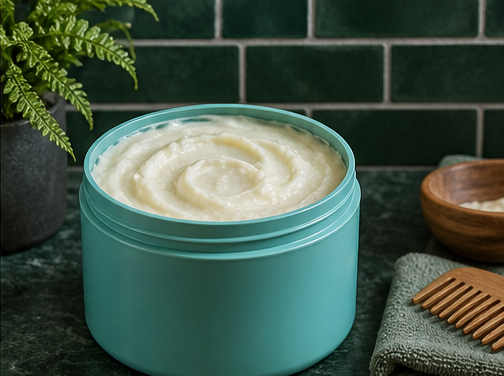
Deep conditioning
A regular deep-conditioning step can support softness and easier styling. Follow the product directions and adjust to how your hair feels.
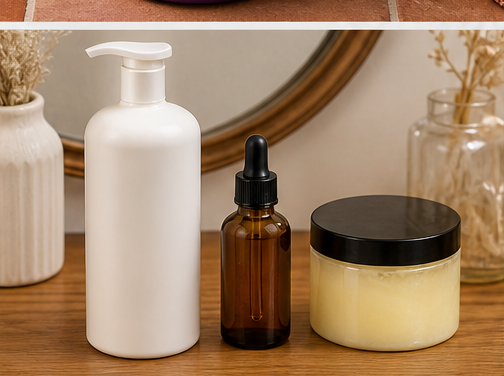
Sealing oils & butters
After water-based moisture, try a small amount of castor oil, shea, or mango butter if your hair feels dry again quickly.
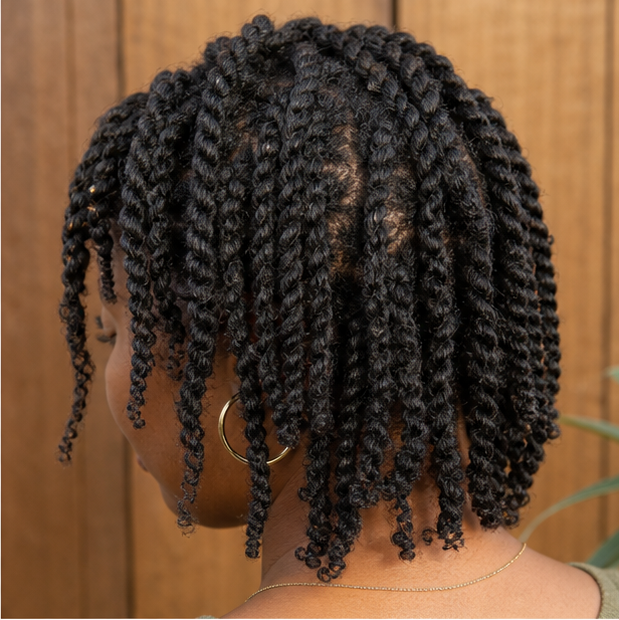
Protective styles
Twists, braids, locs, and updos can reduce daily manipulation when they are installed and maintained comfortably.
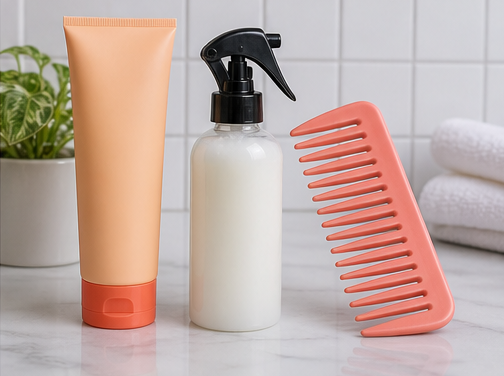
Gentle detangling
Work in small sections on damp, conditioned hair. Start at the ends and move upward slowly with fingers or a wide-tooth comb.
Step by step
Starter wash day routine
Pre-poo
Coat dry hair generously with castor or avocado oil. Cover with a plastic cap and leave for 30–60 minutes before washing.
Section and detangle
Part into 4–6 sections. Mist or rinse one section until damp, add a slippery conditioner, then detangle from ends to roots before moving on.
Cleanse in sections
Shampoo in sections to help reduce tangling. Massage the scalp gently and let the lather move through the lengths as you rinse.
Deep condition with heat
Apply a rich deep conditioner and follow its directions. A plastic cap and gentle heat can be helpful when your hair responds well to them.
LOC method per section
On damp, freshly conditioned sections, try Leave-in → Oil → Cream. Keep the layers light enough that your hair still feels soft, not coated.
Style or protect
Twist, braid, or band each section before it dries. Air dry or sit under a hooded dryer.
Ingredient list
Look for these
Seal moisture
Shea butter and Mango butter
Slip & softness
Avocado oil and Marshmallow root
Scalp support
Castor oil and Bentonite clay (clarifying)
Pro tips
From the field
Take your time
Choose as many sections as you need. Smaller damp sections can make detangling feel more manageable.
Add slip before wash day
If shampoo leaves hair feeling stripped, try a pre-wash conditioner or oil treatment and see whether it helps.
Stretch with comfort
Twists, braids, or banding can help keep tangles under control. Choose a style and tension that feel comfortable.
Take the next step
Use this guide your way
Build a routine
Turn these texture notes into simple wash-day and styling steps.
Browse product ideas
Use your type as a starting point, then narrow options by your current needs.
Check ingredients
Look at a product label before trying it, especially when your hair or scalp is sensitive.
Know more than your type
Your hair type is just the start.
Porosity, density, and scalp health shape what actually works for you. Take the personalized quiz and get your full hair and styling profile.